Several writers at the Rendezvous last Wednesday asked about websites – did they need one? Were they difficult to create oneself? Where could they get help, etc?
I’m not an expert on websites, but it’s true that mine won the Connecticut Press Club award in 2022 for best personal website (I updated it this year). But in ending up with this one, I learned some things which you might find useful.
Do I need a website?
If you want to be published and you want potential publishers and readers to find you – yes, you do. Your site can serve several purposes, including making you easier to find on the internet, giving you a place to talk about your writing, and publicising your books when they’re published. Which they will be, or you wouldn’t be asking about this – your question shows you’re serious.
How do I start?
I don’t want to duplicate what others have said, so I’ll mention Jane Friedman’s article How to Build an Author Website, which includes a lot of information and recommendations, and overlaps with this post. I saw this after I’d finished writing this, and I like her step-by-step guide as to what a website should include and how to go about creating it. Now, back to my post.
First, you’ll need a domain name – the web address for your website. You’ll need to check that the name you want is available. Some authors look for a domain name with the title of their book, but that probably makes it harder to find. People are more likely to be looking for your name rather than your book title. There are several sources for checking availability and buying, including Google Sites and NameCheap, GoDaddy, and IONOS.
This article rates the best ones, but you should check the site you use by looking for reviews of the providers.
Are they difficult to create?
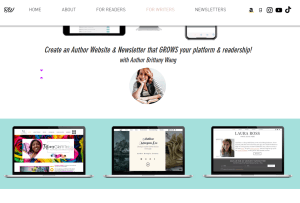 Designing an author website can seem like a daunting proposition, but help is available. Author and webmaster Brittany Wang offers a course called Author Website Boot Camp, which will coach you through designing your own site using Wix.
I had my first website long ago, when WordPress was new and provided an easy way to have an internet presence. I started with the free version, but when I realized my posts were appearing with advertisements for ingrown toenail relief (and worse!) I paid for the premium version. My website is still based on WordPress, but I found a company called Envato, which sells different themes, some designed for authors, and I bought one of those. They also offer music, and the prices are reasonable. I had to have help installing the new theme, because I didn’t have time to learn how to do it myself. I had a web designer recommendation from a friend, but otherwise, I would probably have found someone on one of the freelancer sites like Fiverr, Upwork, or Reedsy, which specializes in authors and offers other services like marketing, too.
Heather Dodge Martin has an author we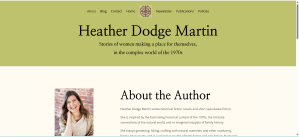 bsite based on WordPress, and it looks great, so it’s still possible to run one yourself.
My friend and fellow author, Eliza Cussen, is a website expert and can design one for you. Much of her work has been for candidates for office, but since she’s now a fiction writer too, she knows what writers need. You can contact her at elizacussen@gmail.com
If you’re finding that creating your website is difficult, give BookBub’s Author Websites platform a try. BookBub is a website that offers special offers on ebooks to people who sign up for their mailing list. Their Author Websites division is designed for authors, so it’s easy to create a professional website — and update it any time. You can create a free trial site in less than 15 minutes.
Writerly Owl Designs is a more sophisticated site, so far as I can tell, that offers branding in addition to website design. They work exclusively for authors, though I don’t have any personal recommendations for you.
Sign up for author Tiffany G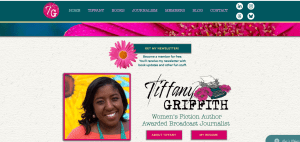 riffith’s newsletter, and she’ll send you a free copy of her Media Manual for Authors & sample press releases. Tiffany recommended the Author Website Boot Camp, and she has wide experience in the media field, so she has put it to good use here. The booklet, titled The 10 Steps to Pitch Your Book to The Media, includes topics like Build Your Own Excitement, Create Your Own Press Kit, Know Who to Contact in a Local Newsroom #Writing Your Press Release, and more.
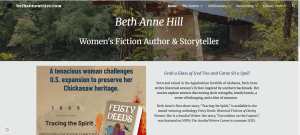 Check out Beth Anne Hill’s website – she created it using Google Sites. You need a Google account to do this, and Sites is one of the options offered. When you get to a white page, hit the box with the plus sign, and you can begin. Check the three dots in the top right-hand corner for things you can add (like extra pages), themes, and more. You can use their templates too. And you can buy themes to save you time on Google Marketplace. There are some limitations – you won’t be able to sell your books from this site, but if you’re not planning to do that, you may not consider it a disadvantage.
Then go back to Jane Friedman’s article and start creating! Please add comments and suggestions, and recommendations to help other readers below.


